Packaging isn't just a container or a pretty box. It's a communication tool. Its the first real touch point the customer has before using the product.
For early-stage brands, this moment matters more than most founders realize. Small missteps here don't just affect aesthetics; they impact trust, clarity, and shelf presence. And these mistakes often become costly to fix later.
Here are three of the most critical packaging mistakes early-stage brands make—and why they matter.
1. Overlooking the Container Itself
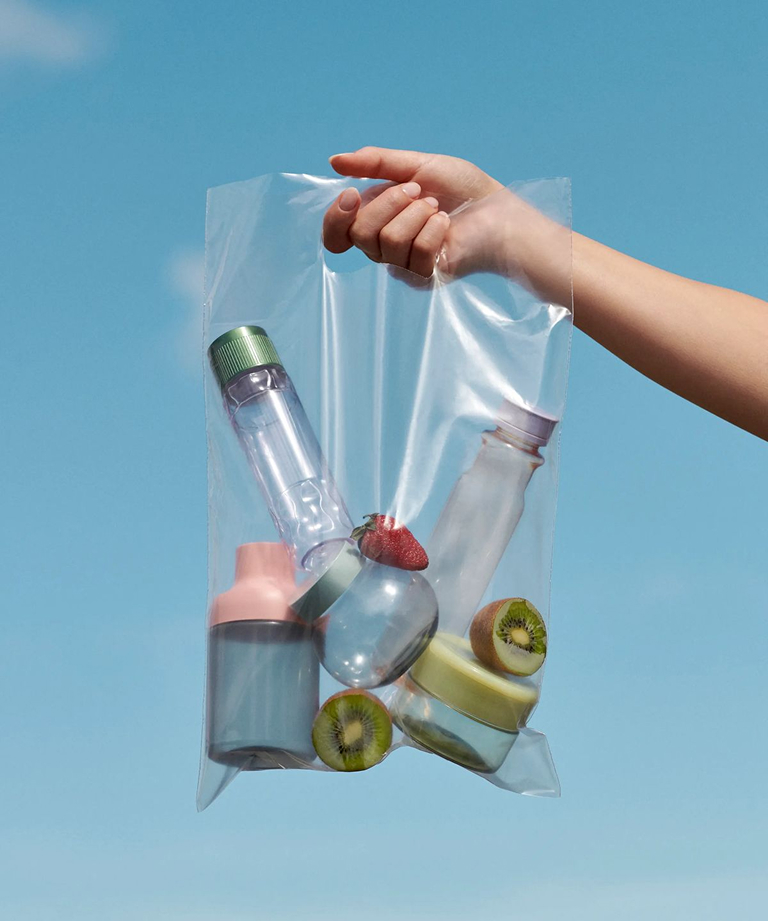
Early-stage budgets are tight. We get it. And because of this, many founders go for basic packaging that sometimes dont serve the product or category. In categories like skincare and beauty where first impression are everything, a little diffrenciation in the packaging can go a long way in getting eyeballs. Choosing a format that aligns with how your audience wants to interact with the product, store or even shop the product becomes important to consider before following market trends.
2. Designing Without Scalability in Mind
Early-stage packaging is often designed only for the current product, without thinking ahead. This becomes a problem when new variants, sizes, or product lines are introduced. Without a scalable packaging system, brands end up redesigning everything repeatedly. This leads to inconsistency and unnecessary costs.
3. Ignoring the Target Audience
Packaging decisions are often made based on personal taste instead of audience insight. What founders like, what competitors are doing, or what feels trendy at the moment.
This is risky. Packaging needs to speak directly to the people it is meant for. Their habits, preferences, and expectations should shape design decisions. When the audience is not considered, packaging may look good but fail to connect.
4. Poor Information Hierarchy
Another common mistake is unclear or cluttered information. Too much text, missing key details, or no clear order of importance and worst fonts that are not legible from near or far
At first glance, the customer should be able to understand:
- What the product is
- Who it is for
- Why it matters
If this is not obvious within a few seconds, the packaging is not doing its job. Good packaging design guides the eye and makes information easy to process, especially in competitive retail or online environments.
Why Packaging Design needs investment
First-stage packaging sets the foundation for how a brand is perceived. Mistakes made early are not impossible to fix, but they often require rework that could have been avoided with the right approach.
Thoughtful packaging is not about being perfect from day one. It is about being clear, intentional, and aligned with the brand’s purpose and audience. When packaging is treated as a strategic tool rather than a last-minute task, it stops being just a container and starts becoming a meaningful part of the brand experience.
Want to stay updated?
If you’re interested to learn the secrets behind a great brand, you need to subscribe!
Let’s start
creating together.

