Packaging is often treated like low-hanging fruit. Budgets get diverted to marketing, paid ads, influencers… you know the drill. But if you’re not expanding into new markets or reaching the right TG, it’s not just a marketing problem. It could be a packaging problem.
The 3-second rule
Packaging is the first layer of brand desire. It hooks the senses before logic even kicks in. And the quickest way to know if it’s working is to watch who notices it in the first 3 seconds.
You’ve got 2–3 seconds to grab attention and create interest. If the people reaching for your product aren’t your target audience, they’ll scroll past, bounce, or walk away without buying. Or worse, they’ll buy once and never return.
The first layer: how it feels before what it says
Whether it’s on a shelf or on a screen, your packaging is your first impression. And humans process visual cues in milliseconds. Before we decide what a brand is, we decide how it feels.
This layer sets expectations: warm? playful? sensual? clinical? avant-garde?
It becomes the launchpad for everything that follows. The story your packaging tells decides whether someone is willing to pay your price, believe your promise, and trust you enough to try.
And if that story is unclear, your consumer is gone before you even realise they were there.
When the wrong audience shows up
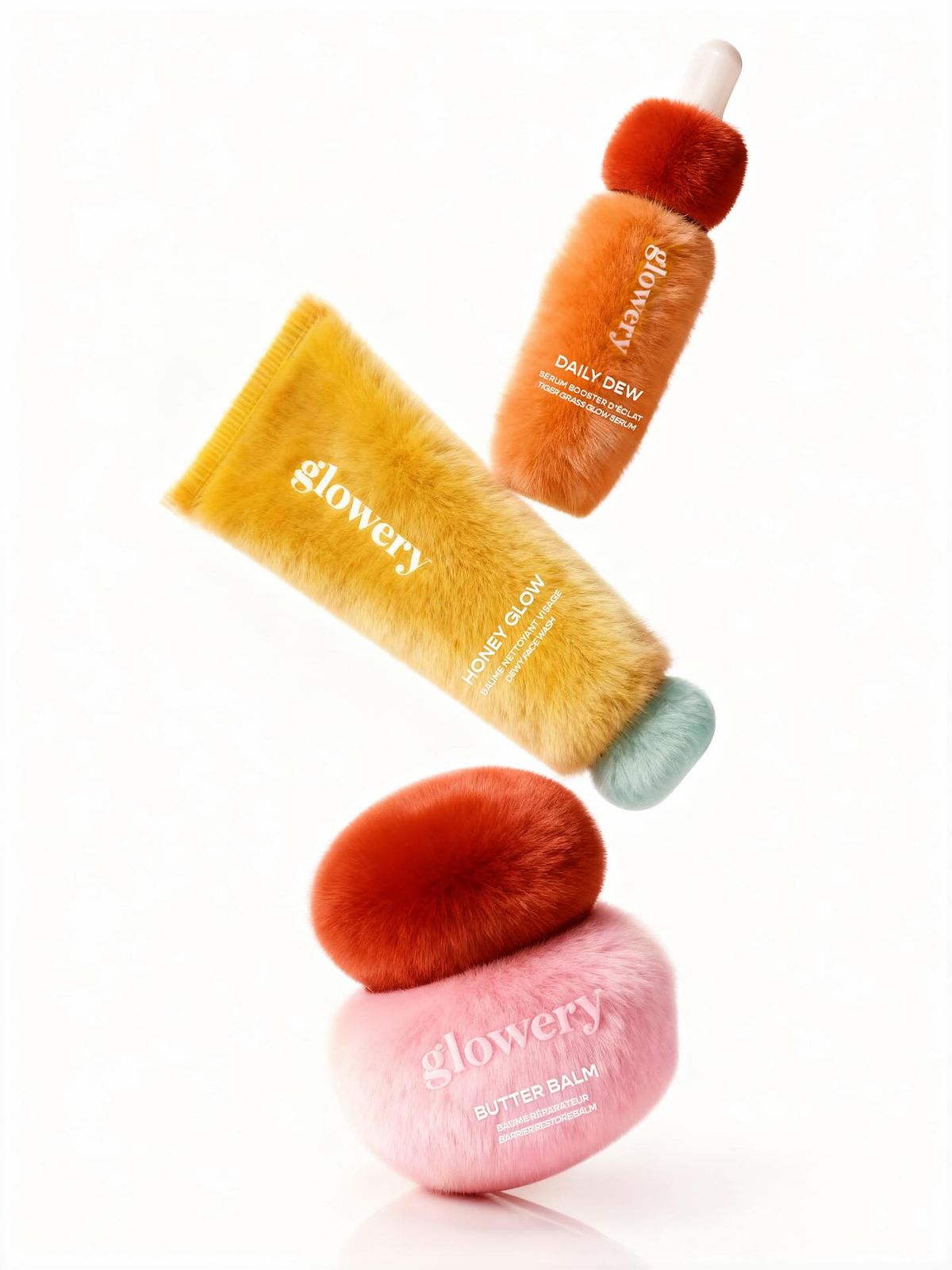
Take Drunk Elephant. It was built for serious skincare lovers who wanted clean, effective formulas. When they launched with bright, candy-coloured packaging, it disrupted the category in a good way. It made “clinical” feel modern and fun, and the core audience loved it.
But as the brand expanded into wider retail (hello, Sephora), the packaging started pulling in a totally different crowd: kids and tweens. Not what they intended. Not what they anticipated.
And when that happens, your original audience quietly starts stepping back because the brand no longer feels made for them. Positioning gets muddy, and performance drops. What was celebrated online suddenly became a problem in-store. The packaging simply wasn’t doing a strong enough job of speaking to the right audience.
The uncomfortable truth
When packaging works, it stops the right people, speaks their language, and does half your marketing for you.
When it doesn’t, you’re burning ad budget, attracting the wrong crowd, and spending way too much time explaining what should’ve been obvious at first glance.
A product speaks to an audience on many levels, and as your product, TG and market evolve your packaging needs to evolve too.
Want to stay updated?
If you’re interested to learn the secrets behind a great brand, you need to subscribe!
Let’s start
creating together.

